
Après-ski outfits come back into fashion every winter. You don’t have to be a keen skier to wear them, and the look works just as well in town. This article covers where après-ski style comes from, its key pieces and how to work it into what you wear every day.
Women’s après-ski style mixes comfort, practicality and polish, so you can look put together even when it’s freezing
How après-ski style began and changed
Après-ski is more than a fashion trend. It’s a culture and a tradition, and it has changed a lot over the years. This is how it started and where it stands now:
- Where the term comes from: ‘Après-ski’ is French and literally means ‘after skiing‘. It caught on in Europe in the 1950s, as commercial skiing took off. In France, most people think of it first as the boots you wear once you’re off the slopes, and then as the socialising that follows a day’s skiing.
- A word that travelled: German and English borrowed the French term for going out and socialising after a day on the slopes. It’s a bit like the 19th hole in golf, or post-match drinks after rugby. In the Alps, skiers often stop at a bar after their last run. In the United States, the term covers the whole atmosphere of ski resorts: ski culture, themed architecture and decor, and a lifestyle built around skiing.
- How it’s seen today: The word is sometimes used dismissively for people who care more about the image and prestige of winter sports than about the sport itself. That can include expensive premium gear and fashionable skiwear.
Key pieces of the après-ski trend
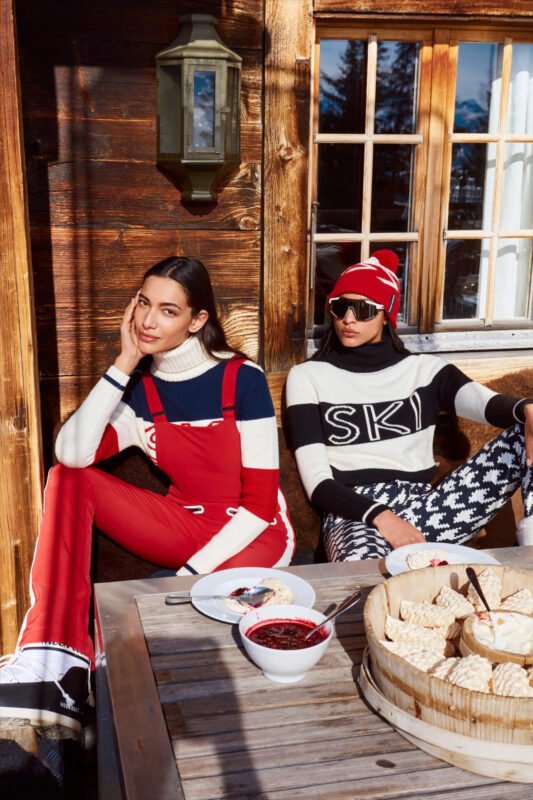
Every trend has its key pieces, and après-ski is no exception. These are worth thinking about for your wardrobe:
Ski mania
In winter 2023, skiwear had a strong pull on fashion. Several designers brought typical ski pieces into their collections:
- Graphic base layers: one label showed thermal tops with graphic patterns that recall popular skiwear designs.
- Helmets and snow boots: the same label put these ski accessories on show, proof that the après-ski trend goes beyond clothes.
- Wide nylon trousers: another house brought in wide-leg nylon trousers, a fabric often used in skiwear because it’s hard-wearing and waterproof.
- Puffy ankle boots: the same house showed these shoes, which look like ski boots and bring city style and après-ski together.
- Oversized jumpsuits: a third designer sent out roomy jumpsuits that echo ski suits.
The hobo bag
The half-moon bag, also known as the hobo bag, is back. Designers showed classic, printed and monogrammed versions, a rigid geometric take, and styles in shearling.
Cowboy boots
Several big fashion houses picked up this western boot. One paired it with its haute couture tweed suits, another used it as the starting point for court shoes, and a third showed pointed versions with metal toe caps.
Rock-style jewellery
The catwalks also brought rock-inspired jewellery with studs and neo-romantic motifs, oversized all-metal geometric pieces, and reworked signature motifs such as lightning bolts, horns and layered chains.
Tip: to wear the après-ski trend this winter, mix typical ski pieces, such as graphic base layers and nylon trousers, with more urban, current clothes. Add rock-style jewellery or a hobo bag to give the look a modern edge.
Accessories you’ll need
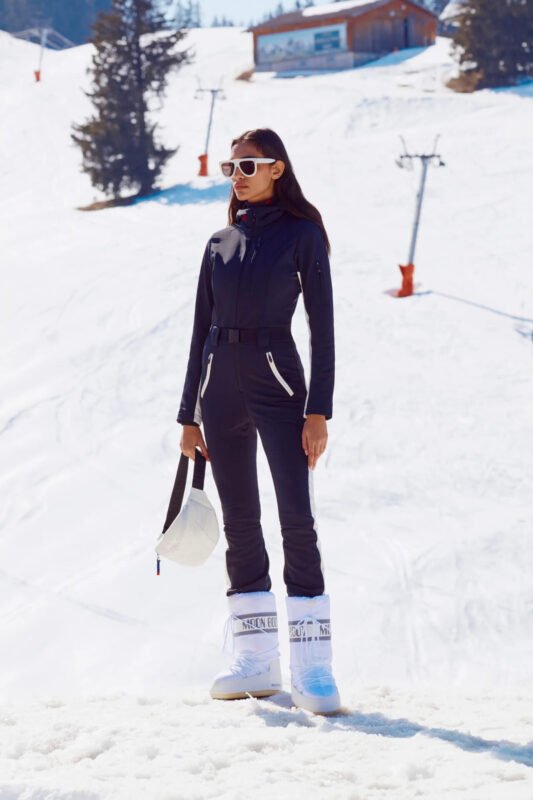
The right accessories can really lift an après-ski outfit. A few you’ll want to have:
- Hats and scarves: they keep you warm and they finish off your outfit.
- Sunglasses: you need them to protect your eyes from the glare off the snow, and they pull the look together.
- Bags: go for a backpack or a roomy handbag to carry everything you need after skiing.
Après-ski, the French way
What après-ski means in French
In France, les après-ski are insulated snow boots that you wear when you’re not skiing. There’s a dark joke hidden in that definition. As the cost of skiing has gone up, the sport has become almost out of reach for France’s middle class, so for many people the boots are all that’s left to feel part of it.
The impact of climate change
Climate change is another factor. With less and less snow on the mountains, as the latest IPCC report points out, après-ski boots could soon be all that’s left of happy days spent on snowy slopes.
How the après-ski boot has changed
The lined après-ski boot, often compared with the padded snow boots of the 1970s, is comfortable and practical for long walks. It’s now a fashion item in its own right, well beyond its original purpose. A Paris couture house was one of the first to put it on the catwalk, and for autumn/winter 2019-2020 it showed heeled faux fur après-ski boots. Since then they’ve become a designer classic, with sheepskin versions from one label and nylon ones in another’s ski capsule collection for autumn/winter 2022-2023.
An alternative to sheepskin boots
The sheepskin boot craze also helped après-ski boots catch on. Faced with that wave, brands looked for an alternative that didn’t simply copy it. Several took up the challenge at a trade fair in February 2023.
Tip: if you want après-ski the French way, choose boots that are comfortable and look good. Lined après-ski boots do both, keeping your feet warm while looking smart. Wear them with casual clothes for a relaxed French look.
Style tips
Following the après-ski trend doesn’t mean giving up your own style. A few ways to work it into your wardrobe:
- Layering: layers are the key to a good après-ski look. Start with a warm base layer, then add knitwear, jackets and coats on top.
- Mixing textures: play with wool, leather and faux fur to give your outfit depth.
- Colour: neutrals are always a safe bet, but don’t be afraid to try bright colours to liven things up.
Care and making it last
Good-quality clothes are worth buying, and just as worth looking after. A few ways to make your après-ski clothes last longer:
- Washing: always follow the care label. Most après-ski clothes need a hand wash or a low-temperature cycle.
- Storage: keep your clothes somewhere dry and out of direct sunlight so they don’t fade or get damaged.
Final thoughts
Women’s après-ski style goes further than a winter trend. It brings style, comfort and practicality together. On the slopes or in town, these tips will help you wear it with confidence.


