
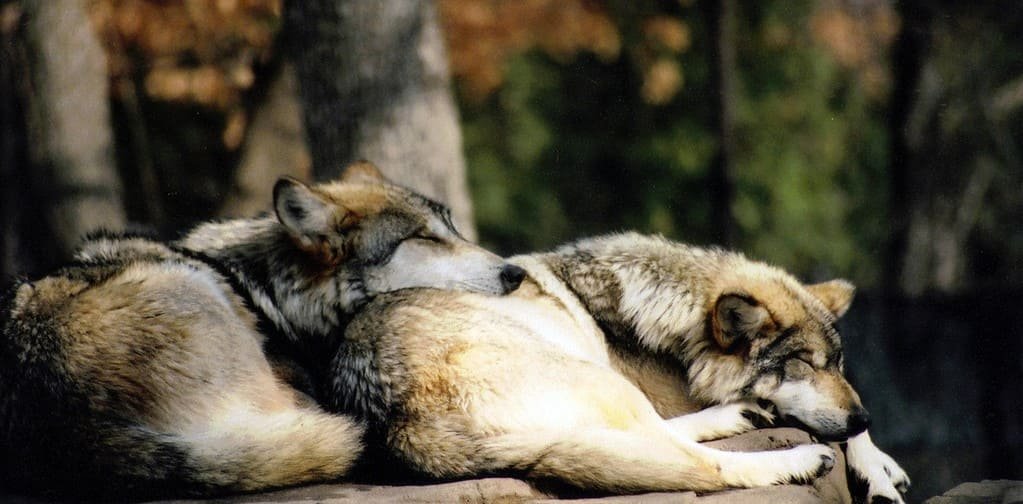
Mention ‘sleeping with wolves’ and most people picture a wild, mysterious adventure, as frightening as it is fascinating. This article covers what you need to know about this experience in the heart of nature, and the myths and realities that surround it.
Myth #1: wolves are bloodthirsty killers
One of the most widespread myths about wolves is that they’re ravenous predators, always on the lookout for prey to feed an endless appetite. The reality is very different. Wolves are social predators that hunt in packs, and their main prey is usually game such as deer, hares and bison. Wolf attacks on humans are extremely rare, and most of the time they happen because the wolf was provoked or mistook what it was dealing with.
Reality #1: responsible wolf watching
Spending the night with wolves doesn’t have to mean curling up in the middle of a wild pack. There are responsible wolf-watching experiences run by wildlife and conservation experts. They give nature lovers the chance to watch these animals in their natural habitat while disturbing them as little as possible.
Myth #2: wolves are a threat to people
Another common myth is that wolves are a danger to humans. In fact, wolf attacks on people are exceptionally rare. Wolves tend to avoid people as much as they can. They’re more afraid of us than we are of them.
Reality #2: why living alongside wolves matters
Whether it’s a metaphor or a real night out watching wolves, the idea is a reminder of how important it is to live in harmony with wildlife. Wolves play a key role in ecosystems by keeping prey numbers in check and helping natural habitats stay healthy. By learning to understand and respect them, we can help protect and conserve them.
Myth #3: wolves are mystical creatures
Wolves have always been surrounded by myths and legends, often with negative overtones. In many cultures, they’re seen as symbols of bad luck or cruelty. In other traditions, though, they’re revered as symbols of strength, loyalty and intelligence.
Reality #3: why awareness matters
A night with wolves, real or symbolic, can make us think about our relationship with nature and how our beliefs and actions affect the world around us. Helping people understand what wolves are really like, and the vital role they play in ecosystems, is essential.
Conclusion
‘Sleeping with wolves’ can be a way of exploring our connection with the wild, and our own fears and prejudices. By getting to know these animals better and respecting them, we can help protect an emblematic predator and keep our ecosystems in balance. So whether you go as a responsible observer or as someone exploring your own inner nature, don’t be afraid to ‘sleep with the wolves’ and take in the beauty of wildlife.
For your wardrobe, wolf faux fur is our most requested style: see the wolf collection.
Wolves and the other animals faux fur imitates: fur animals and their faux fur imitations.


